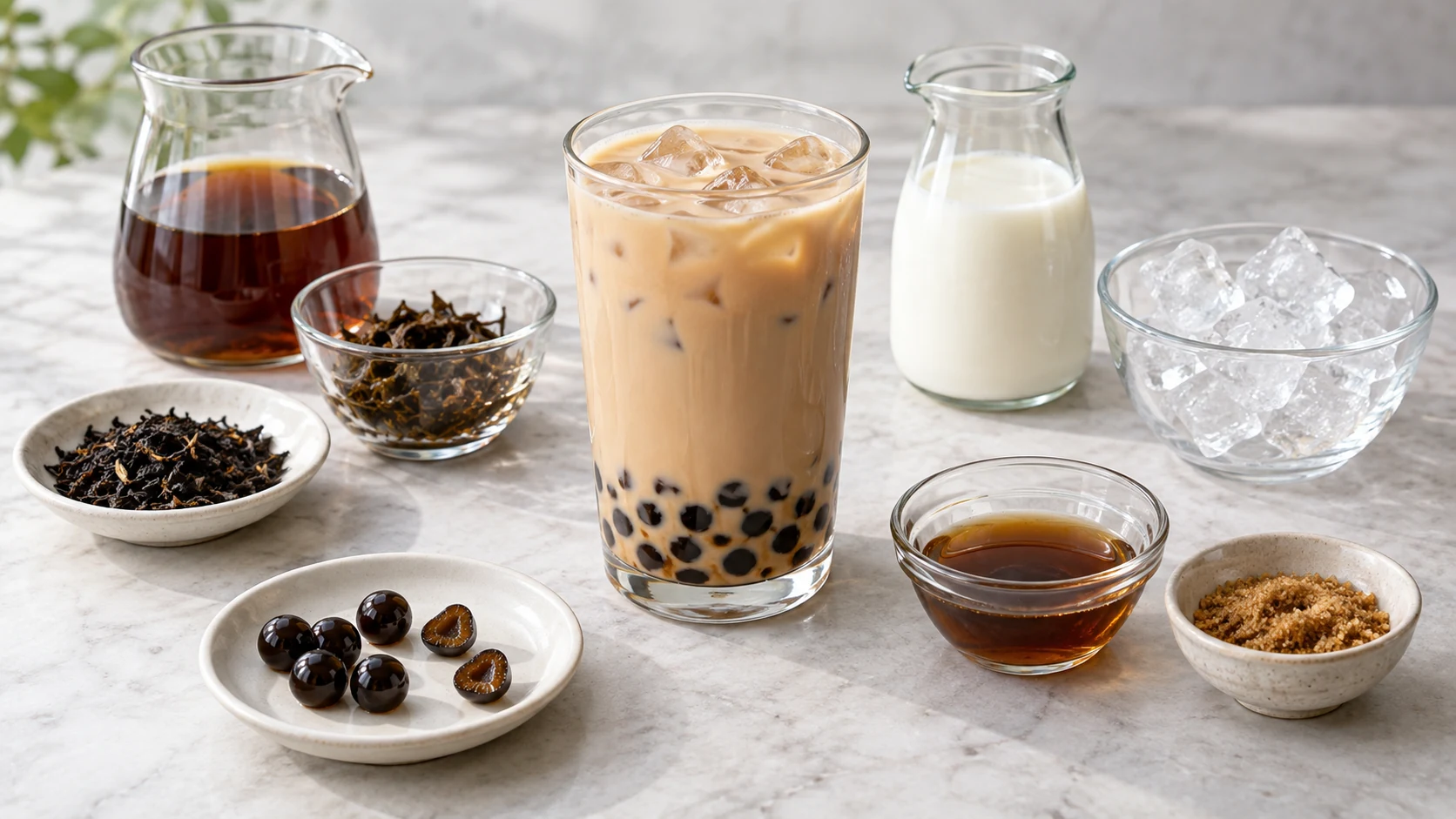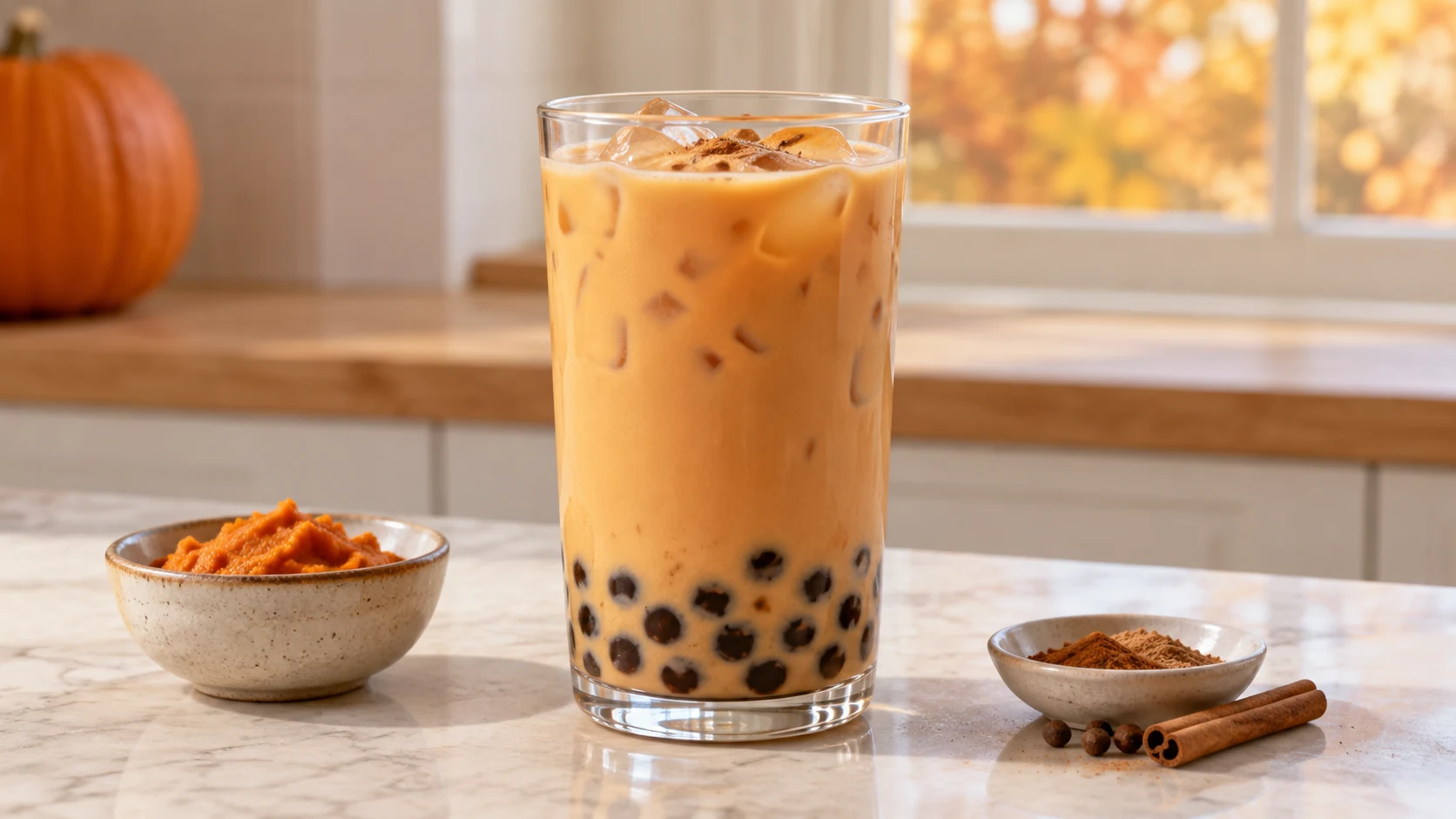
Pumpkin spice boba has two independent flavor controls. Pumpkin puree adds body, color, and a mild vegetable sweetness; cinnamon-forward spice adds aroma and warmth. Increasing both together makes it impossible to know whether a heavy drink needs less puree or whether a bland drink needs more spice.
Build a small seasonal base
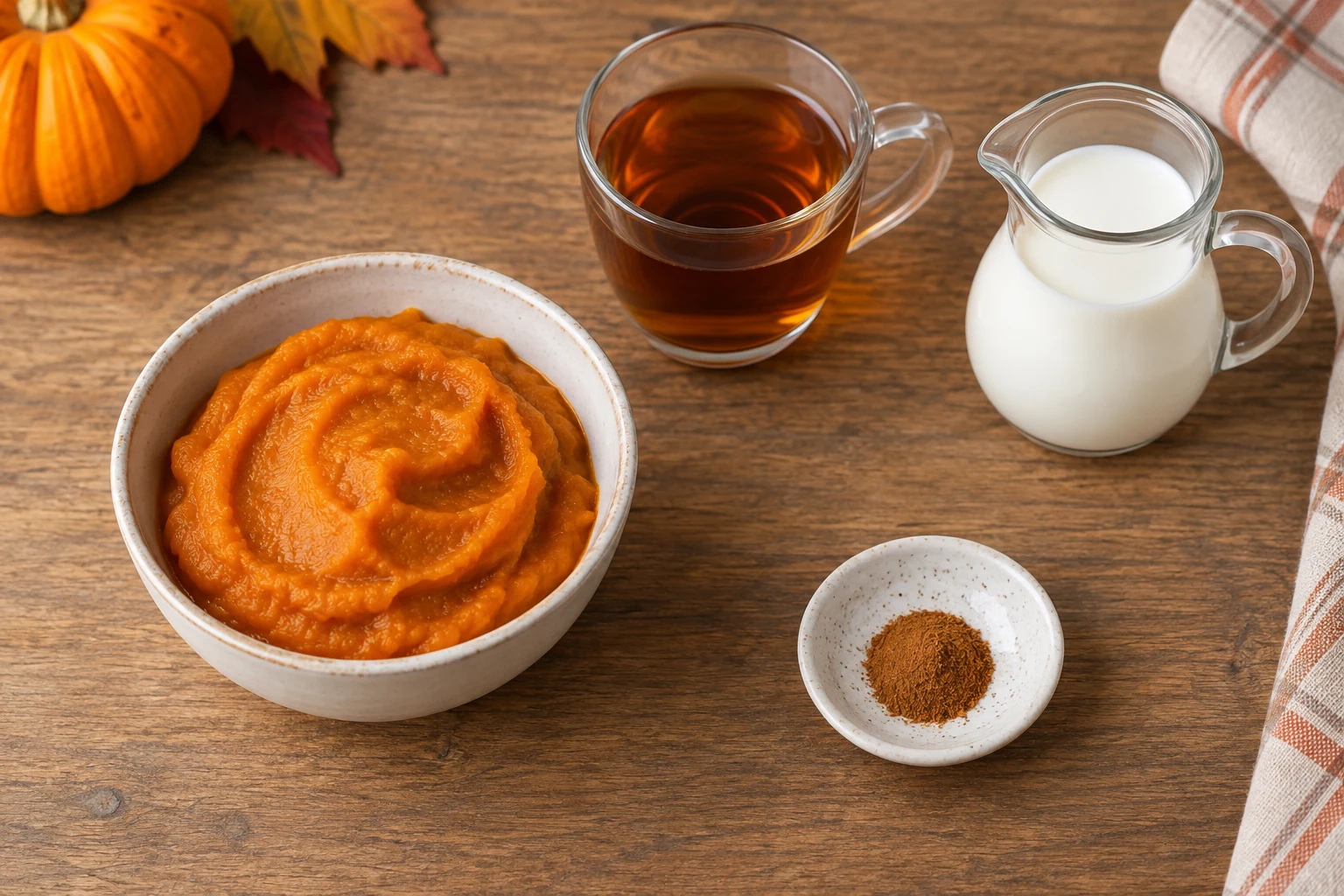
For one approximately 16-ounce drink, prepare:
- 6 fluid ounces strong black tea;
- 4 fluid ounces cold milk or an unsweetened plant-based beverage;
- 2 tablespoons plain pumpkin puree;
- 1 tablespoon brown sugar or simple syrup, plus more only after tasting;
- 1/8 teaspoon pumpkin-pie spice or a simple cinnamon-led blend;
- a small pinch of salt, optional;
- one serving packaged tapioca pearls;
- ice.
Use plain pumpkin puree, not pumpkin pie filling. Libby's current 100% Pure Pumpkin label lists pumpkin as its only ingredient. A pie filling can include sweeteners and spices, removing the very controls this method is designed to preserve.
The starting amount of spice is intentionally modest. Ground spices remain in the drink and can become gritty or dominating. It is easier to add another pinch than to remove one.
If using a commercial spice blend, read its ingredient list. Blends can differ in the relative amounts of cinnamon, ginger, nutmeg, cloves, and allspice, and some products may include ingredients beyond those expected spices. Record the product rather than treating “pumpkin spice” as a standardized single ingredient.
Measure over a small dish rather than directly over the drink. An accidental pour can turn a reversible pinch-by-pinch adjustment into a discarded batch. Keep the spice dry, use a level measuring spoon where practical, and return the container to storage before working with wet ingredients.
Brew tea for a thicker drink
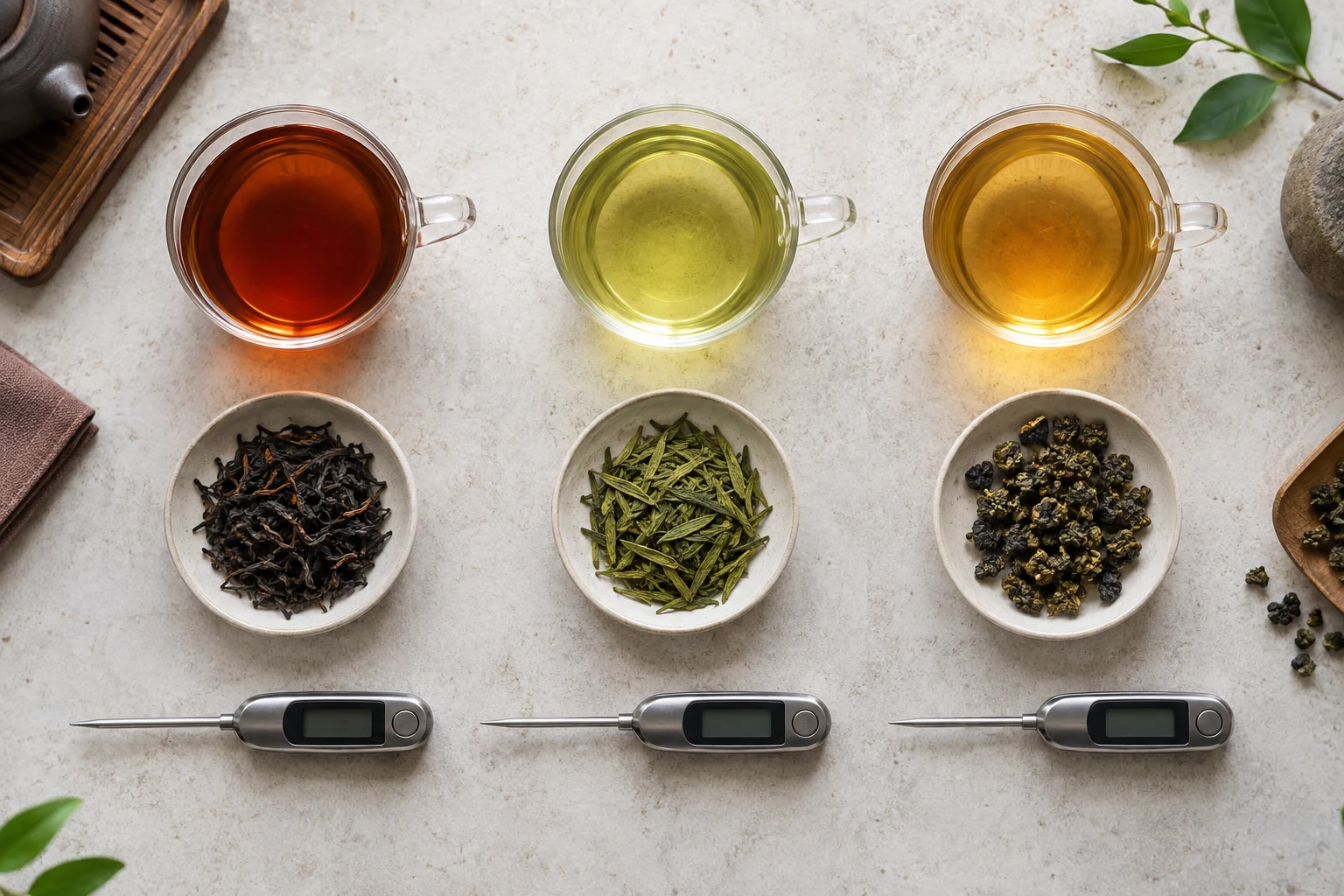
Use the tea's own directions first. Twinings currently gives black tea a general starting range of 3 to 5 minutes in near-boiling water. Brew the measured 6 ounces with one tea bag or its label-equivalent loose tea, then remove the tea completely.
Taste the base before flavoring. It should be stronger than a plain cup because puree, milk, and ice will soften it. If it is bitter already, extra pumpkin and sugar will conceal rather than solve the brew problem. Adjust temperature, time, or tea amount next time.
Cool the tea in a clean covered vessel. Using an external ice bath avoids adding unmeasured water.
Smooth the pumpkin before assembly
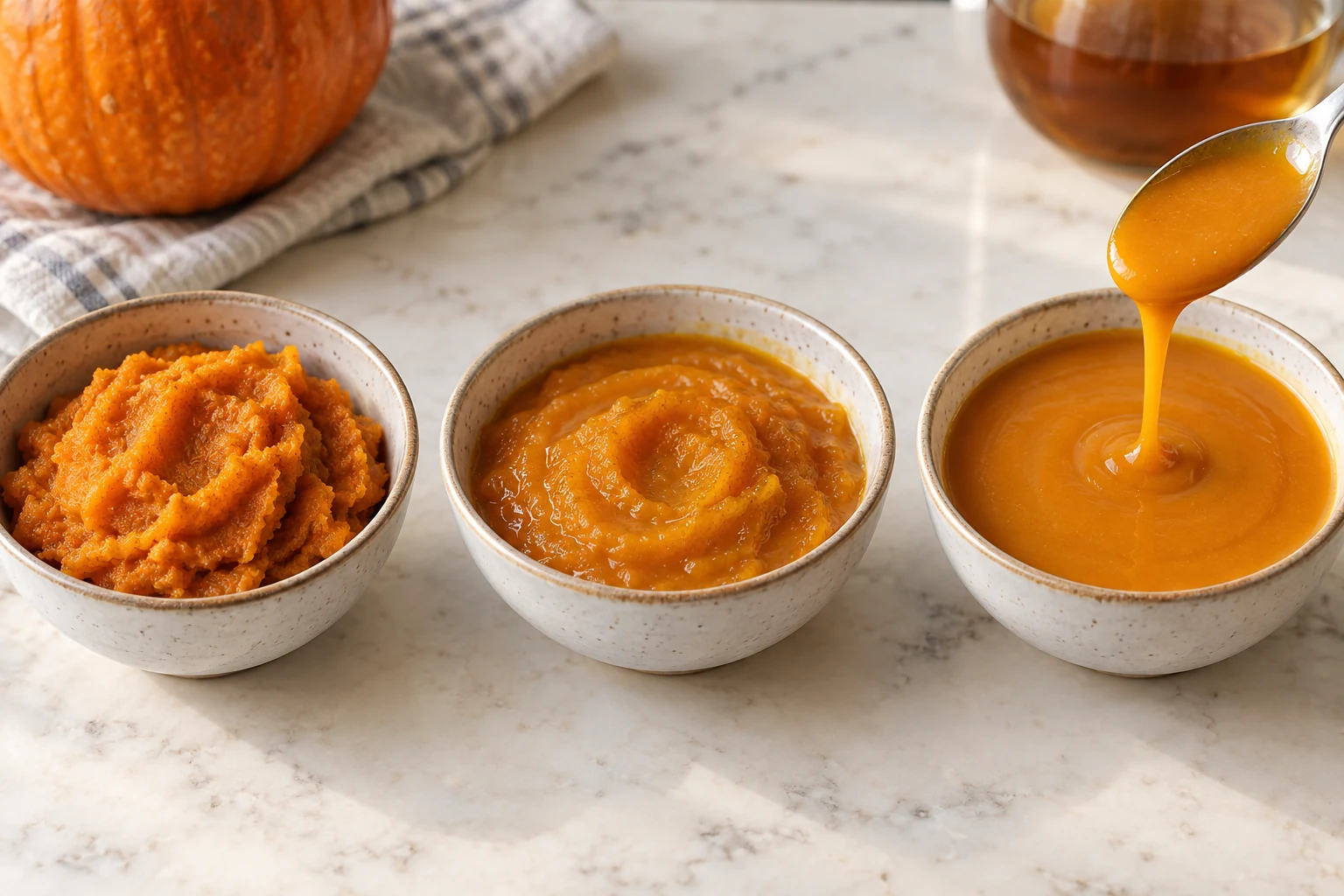
Place 2 tablespoons pumpkin puree in a bowl. Add the sugar, spice, optional salt, and 2 tablespoons of the brewed tea. Whisk until no dense pockets of puree remain. Add another 2 tablespoons tea and whisk again.
This staged thinning matters because pumpkin added directly to a cold, ice-filled cup may remain in small lumps. It also creates a checkpoint. The mixture should pour in a slow ribbon. If it sits like paste, add tea a teaspoon at a time. If it is already watery, do not add more liquid until the full drink is assessed.
Taste a tiny amount. If pumpkin is present but aroma is weak, add only a very small pinch of spice. If spice dominates, add more pumpkin only when the texture can tolerate it; otherwise the better correction is to remake a smaller spice blend.
Keep pearl preparation independent
Cook packaged pearls according to their exact directions. Products differ sharply: Bossen's Express Cook Big Tapioca specifies 25 minutes of cooking and 5 minutes of covered rest, while another Bossen large-pearl method specifies 30 minutes cooking and 35 minutes covered rest. Do not assign either timing to an unverified package.
Finish the pearls with little or no syrup for the first cup. The seasonal base already includes sugar, and a heavily coated topping can make the entire drink seem sweeter than the recorded recipe suggests. Count any coating in the final sweetness note.
Coordinate the process so the tea is cool by the time the pearls are ready. Hot pearls and warm tea melt serving ice quickly.
Assemble and adjust in order
Add the prepared pearls to the glass. Stir the smooth pumpkin mixture into the remaining cooled tea, then add the cold milk. Taste the combined liquid before ice.
Adjust in this order:
- If the drink is too thick, add milk or tea by the tablespoon.
- If pumpkin is hard to detect, add puree by the teaspoon.
- If aroma is weak, add spice by the pinch.
- If the balance is clear but not sweet enough, add syrup by the teaspoon.
This order prevents sugar from masking a texture problem and prevents spice from standing in for pumpkin. Add ice last and stir thoroughly.
Choose milk from the actual label
Dairy milk, soy beverage, oat beverage, almond beverage, and coconut beverage can produce different body and flavor. The FDA notes that plant-based beverage composition varies with source material, processing, and added ingredients. Check whether the product is sweetened, because “original” and “unsweetened” are not the same instruction.
Also check allergens. Milk, soy, tree nuts, and sesame are among the major allergens identified by the FDA. A dairy-free drink can still contain another allergen, and a pumpkin product or spice blend can change formulation. Read every current package rather than relying on memory.
Troubleshoot texture and flavor
Thick but bland: do not add more puree first. Increase spice by a tiny measured amount or strengthen the tea in the next batch.
Spicy but not pumpkin-like: reduce the spice. Confirm that plain puree, not pie filling, was used.
Grainy: whisk the pumpkin base more completely and consider passing it through a fine-mesh strainer. Some spice sediment is expected, but dry clumps are preventable.
Watery over ice: cool every component before assembly and reduce uncontrolled melt. More sugar will not restore body.
Tea disappears: increase tea material in the same water volume next time rather than lengthening the steep without limit.
Store the opened ingredients, not the assembled idea
Transfer leftover pumpkin to a clean covered container and follow the product label for refrigeration. Make only as much mixed seasonal base as will be used promptly. The FDA advises refrigerating perishable foods within two hours, or one hour above 90 degrees Fahrenheit, and maintaining a refrigerator at 40 degrees Fahrenheit or below.
Label leftovers with the opening or preparation date. Do not infer safety from smell or color alone. Record puree amount, spice amount, tea, milk product, sugar, and pearl coating separately; those six values make the next seasonal cup adjustable rather than mysterious.
Separate texture from sweetness in your next cup
Set out a small bowl, whisk, level measuring spoons, tea strainer and measuring jug before cooking the pearls. Keep the pumpkin and spice measurements separate. The 6 fluid ounces of tea and 4 fluid ounces of milk above total 10 fluid ounces before puree, sweetener, pearls and ice; the nominal 16-ounce cup is not a guaranteed yield.
| Problem you observe | Change to try first | Keep unchanged for comparison |
|---|---|---|
| Too much body | Reduce the puree in the next cup | Tea, spice and sweetener amounts |
| Aroma overwhelms the tea | Reduce the spice | Puree and milk amounts |
| Sweetness dominates | Reduce the added sweetener and record topping syrup separately | Tea brewing method |
| Not enough room for ice | Reduce all liquid portions proportionally before assembly | The ratio of tea to milk |
This is an adjustment worksheet, not a report of outcomes we observed. Write your actual amounts beside the result instead of assigning a universal best ratio. If comparing two cups, use the same tea batch and ingredient products so an unrecorded brand change does not undermine the comparison.
Kristin's hot pumpkin milk tea test
On October 18, 2026, Kristin McCoy-Ward recorded a hot drink with 220 mL Ceylon tea brewed at 92°C for six minutes, 160 mL whole milk and 35 mL pumpkin spice syrup, served at 63°C. Her notes describe a 25 mL syrup version as milder and the 35 mL version as balanced. A version with unstrained pumpkin separated and felt coarse. These observations concern the hot drink, not the iced pearl method above.
The syrup test lists 200 g cooked pumpkin puree, 200 g caster sugar, 150 g water, two cinnamon sticks, ¼ teaspoon nutmeg, 5 g fresh ginger and two cloves. The preferred batch simmered pumpkin, sugar and water gently for ten minutes, adding spices for the last five minutes, then straining twice. The stated 500 g yield is not established by these quantities; weigh the actual yield. The reported 58 Brix lacks instrument details and does not establish storage safety. The drink test did not document pearls.
Sources
- Libby's 100% Pure Pumpkin Libby's
- How to Brew the Perfect Cup of Tea Twinings
- Express Cook Big Tapioca Bossen
- Tapioca Pearl Recipe - How to Make Boba Bossen
- Plant-Based Milk and Animal Food Alternatives U.S. Food and Drug Administration
- Food Allergies U.S. Food and Drug Administration
- Are You Storing Food Safely? U.S. Food and Drug Administration