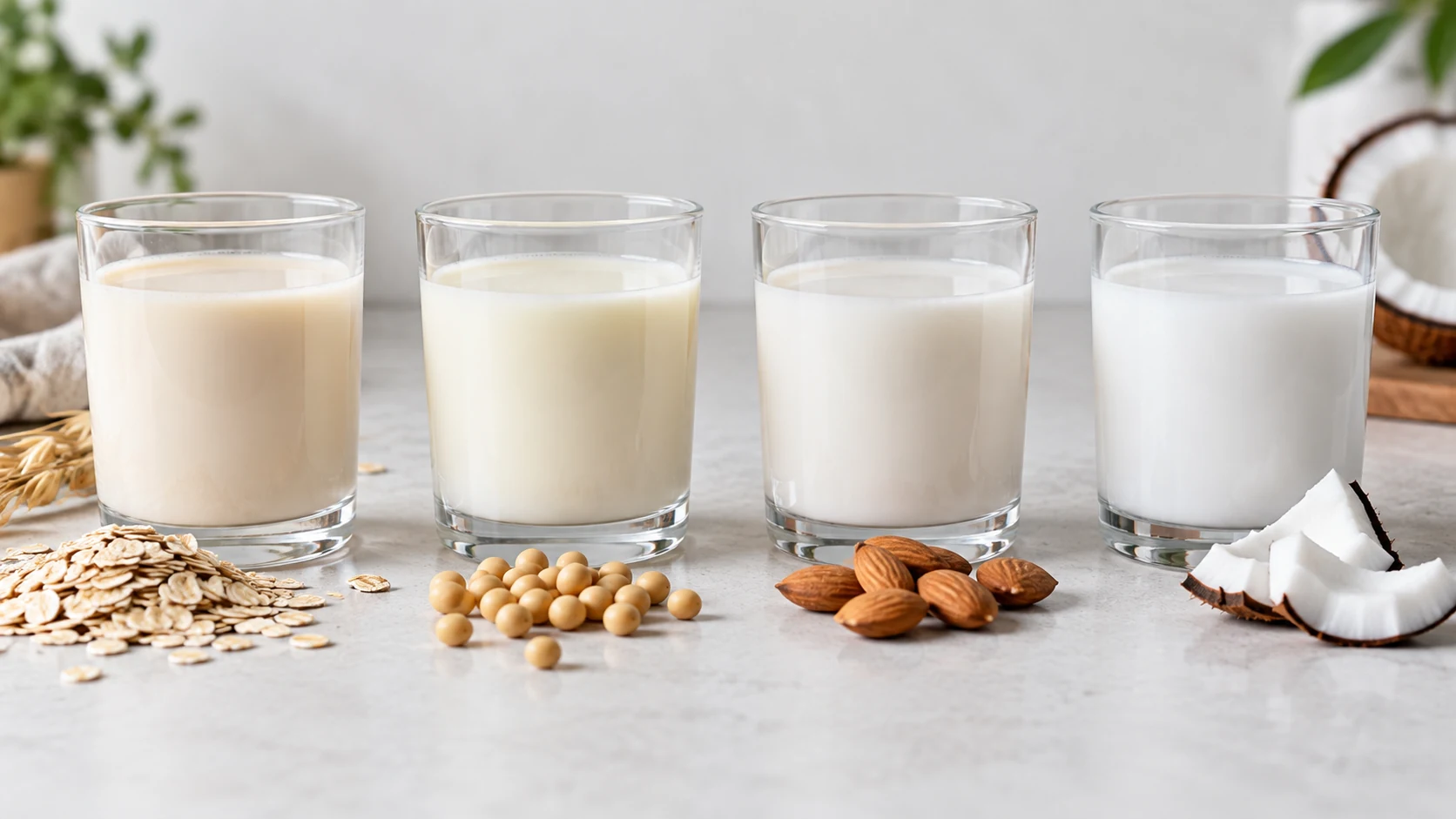
There is no single best plant milk for every bubble tea. The useful choice depends on whether the drink needs neutral body, strong tea contrast, extra richness, higher protein, or a specific allergen boundary. Even products made from the same plant can differ because formulations include different amounts of water, oil, sugar, protein, minerals, and stabilizers.
The FDA advises consumers to compare Nutrition Facts and ingredient lists because plant-based beverages vary by source plant, processing, and added ingredients. Use that label-level approach instead of assuming every oat, soy, almond, or coconut carton behaves the same.
Start with the drink's job
For classic black milk tea, the beverage must soften tannic intensity without erasing the tea. For matcha, it must support a suspension and leave room for the powder's flavor. Fruit tea may not need milk at all; acidic fruit can make some products separate. Coffee boba needs enough body to stand beside concentrated coffee, while pumpkin drinks already gain thickness from puree.
Write down the job before choosing a carton:
- body: light, medium, or rich;
- sweetness: unsweetened or already sweetened;
- flavor: neutral or intentionally coconut, oat, nutty, or soy-forward;
- allergen boundary: ingredients that must be avoided;
- temperature: cold-only or likely to meet a warm concentrate.
A “best” list without these constraints is mostly a popularity list.
Oat milk: body with formulation differences
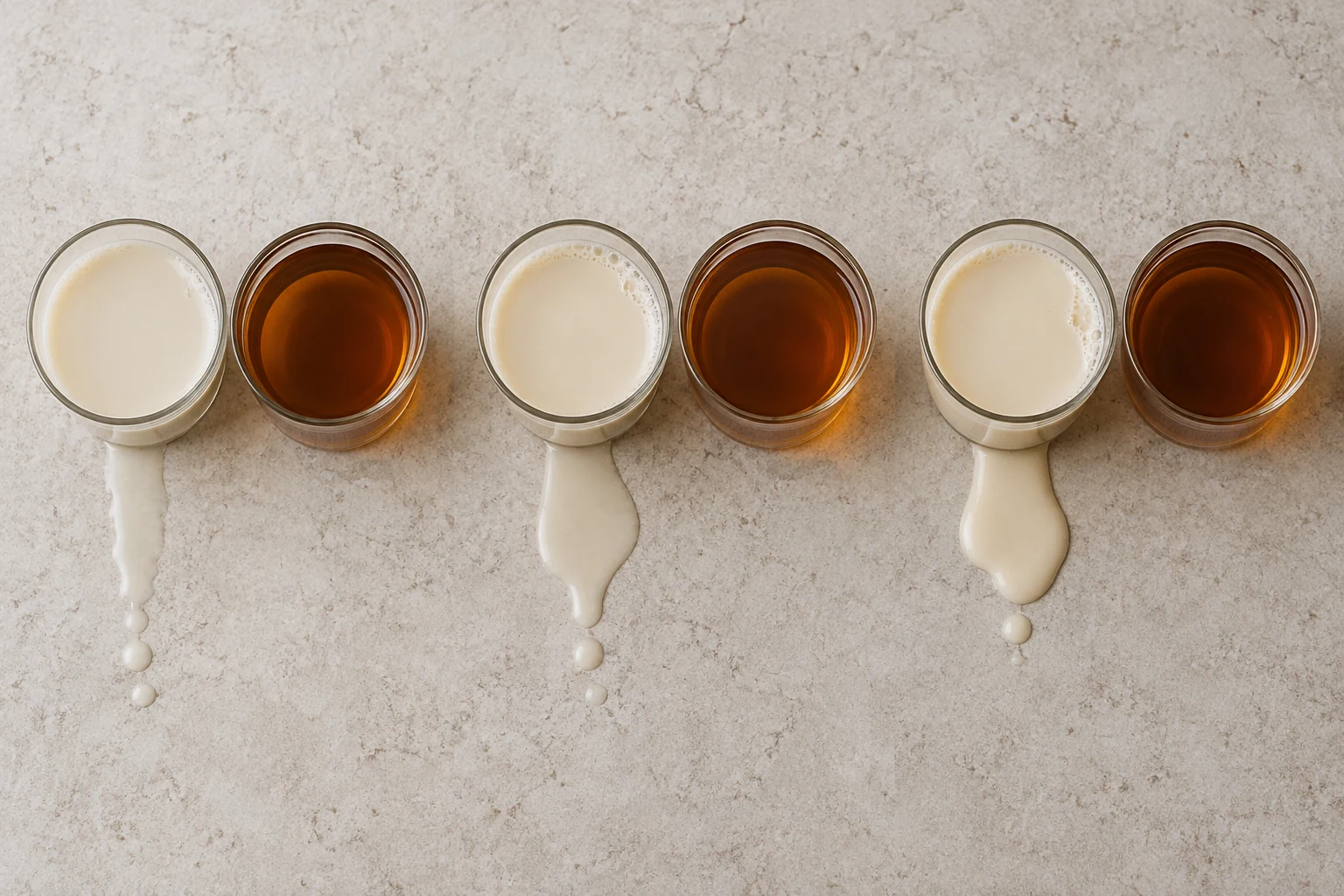
Oat beverages often appeal in milk tea because their grain flavor and body can soften strong black tea or coffee. But the word oat does not reveal the full formula. The current Oatly Original Oatmilk page lists 5 grams of fat, 7 grams of total sugar, and 3 grams of protein per serving, along with ingredients that include rapeseed oil and dipotassium phosphate. The manufacturer describes the latter as an acidity regulator that helps the product perform when heated.
That profile can be useful for a fuller drink, but the 7 grams of sugar must enter the sweetness calculation. Another oat product may be unsweetened, lower in fat, or differently stabilized. Choose the exact label, not the category reputation.
Use an unsweetened oat beverage when syrups or coated pearls already carry sweetness. Use a richer original version when body is the priority and reduce added sugar accordingly.
Soy milk: protein and a distinct flavor
Silk's current Unsweet Soymilk label lists 8 grams of protein and no added sugar per serving, and it identifies soy in the allergen statement. That makes it a traceable example of a higher-protein, unsweetened plant beverage, not proof that all soy milks share those numbers.
Soy can hold its own in assertive black tea and matcha, but its flavor is more noticeable to some drinkers. Test it with the tea before preparing a whole batch. If the finished drink seems thin, the problem may be the tea-to-milk ratio rather than a need for more syrup.
Soy is one of the major allergens identified by the FDA. A drink can be dairy-free and still be unsuitable for a person with a soy allergy.
Almond milk: lighter body, prominent label checks
Blue Diamond's current refrigerated Almond Breeze Unsweetened Original page lists 1 gram of protein and 0 grams of total sugar per serving. Its ingredient list includes almonds and other ingredients that support texture and fortification. This particular product therefore offers a light, unsweetened starting point, but another almond beverage may differ.
That lighter profile can work when the goal is a tea-forward drink. It may feel less creamy in coffee or pumpkin boba. Rather than adding excessive syrup to create body, reduce the milk volume, choose a stronger tea base, or select a richer product.
Almond is a tree nut and a major allergen. Check both the ingredient statement and any facility or cross-contact information relevant to the drinker.
Coconut milk beverage: flavor and fat without protein
So Delicious Organic Unsweetened Original Coconutmilk currently lists 4.5 grams of fat, 4 grams of saturated fat, 0 grams of protein, and less than 1 gram of sugar per serving. Those values describe that refrigerated beverage, not canned culinary coconut milk and not every coconut drink.
Its coconut identity can be an advantage in mango, coffee, or dessert-like drinks when the flavor is welcome. It is not neutral. The absence of protein also means it should not be chosen because of an assumed nutritional similarity to dairy or soy.
Keep canned coconut milk separate from beverage cartons in your planning. Their concentration and intended use can be very different, so a one-for-one substitution may make a bubble tea much heavier than expected.
Use a drink-by-drink matrix
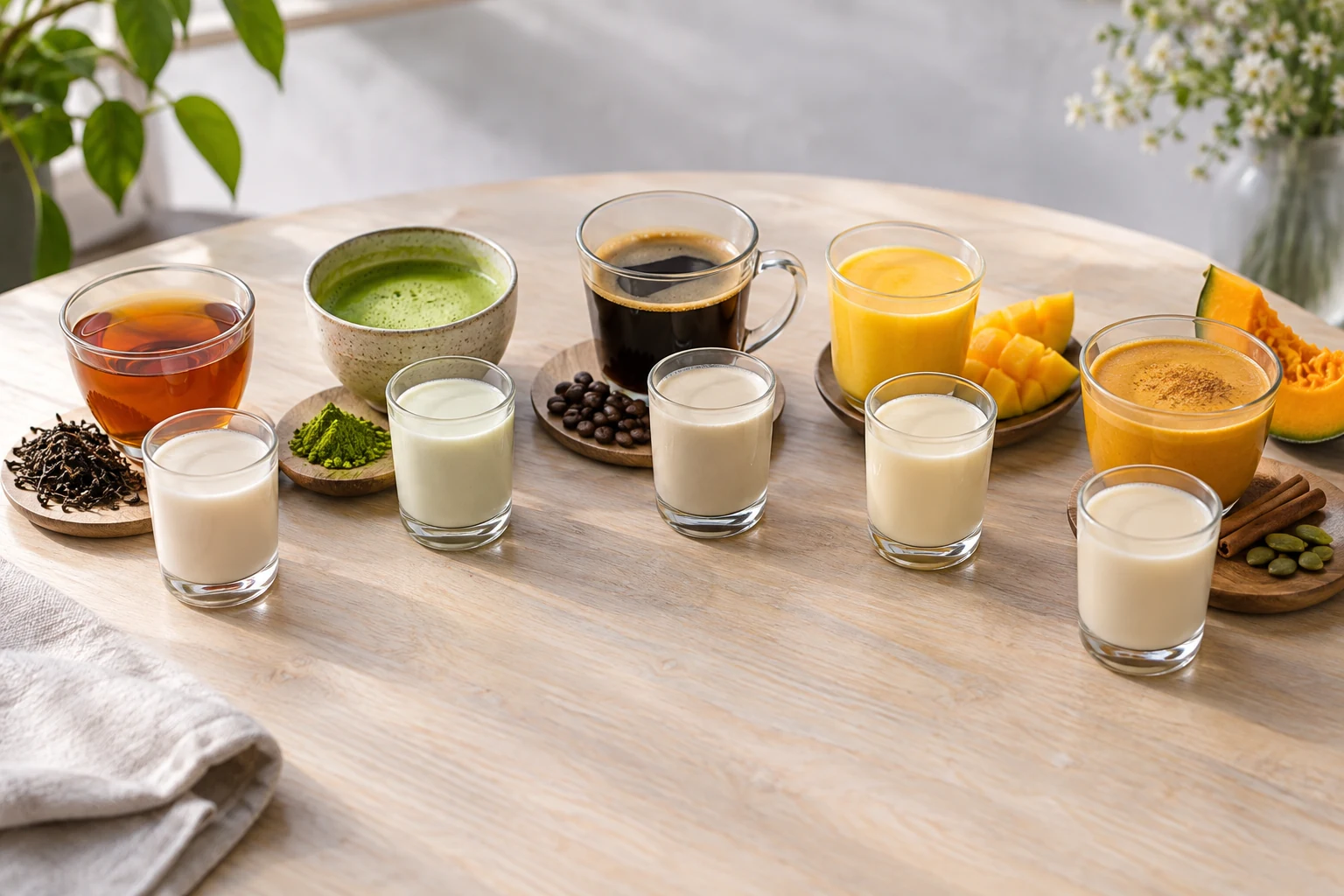
For black milk tea, start with unsweetened soy for protein and assertive body, or an oat beverage when a rounder grain flavor is welcome. Almond keeps the cup lighter. Coconut should be intentional.
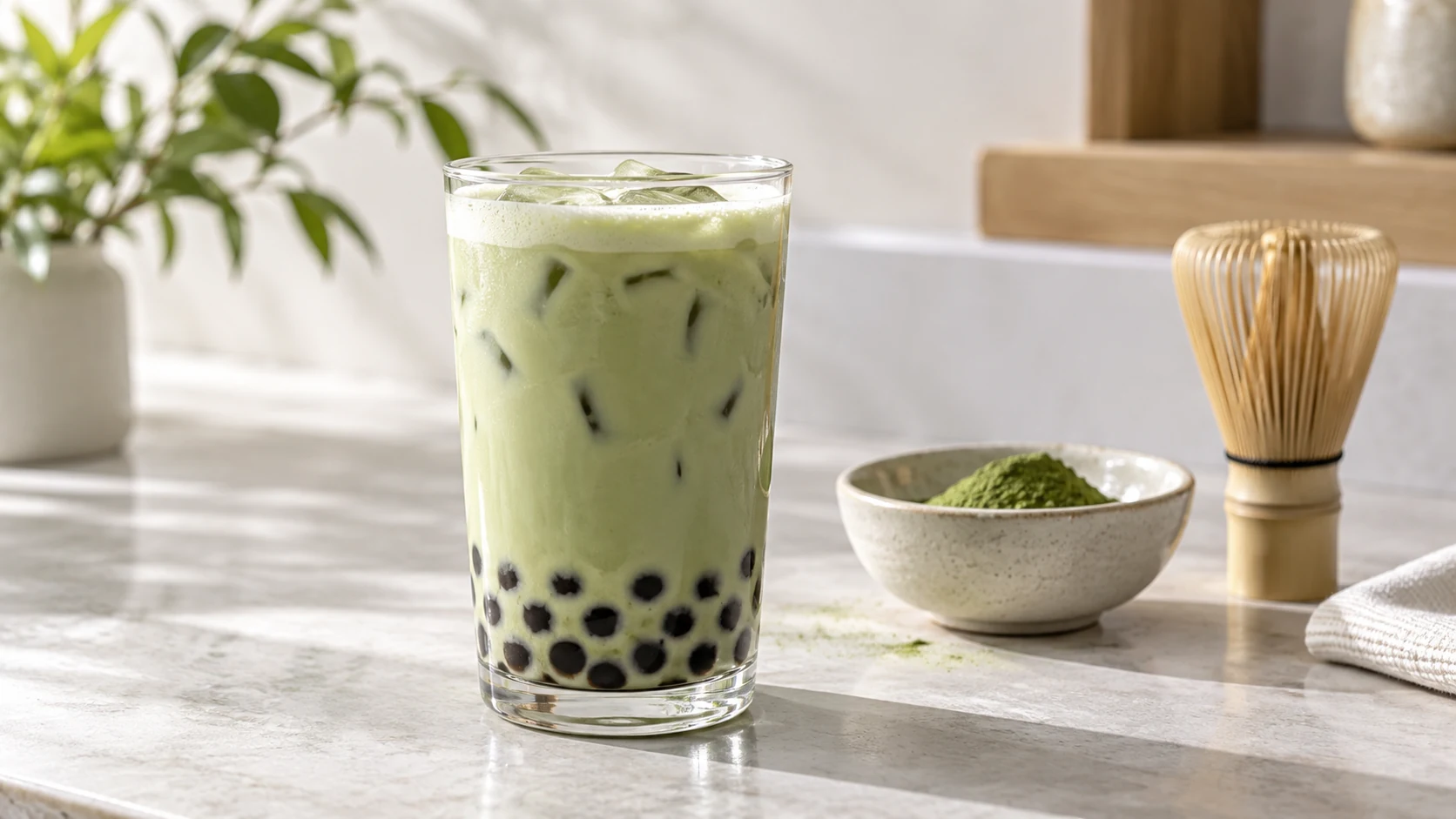
For matcha, soy and oat are practical first tests because they can provide body, but the matcha must be sifted and whisked in water before milk is added. An attractive green layer is not evidence that the powder is dispersed.
For Vietnamese coffee boba, an unsweetened oat or soy beverage can dilute intensity without adding another sugar source. If sweetened condensed milk is used, the drink is not dairy-free.
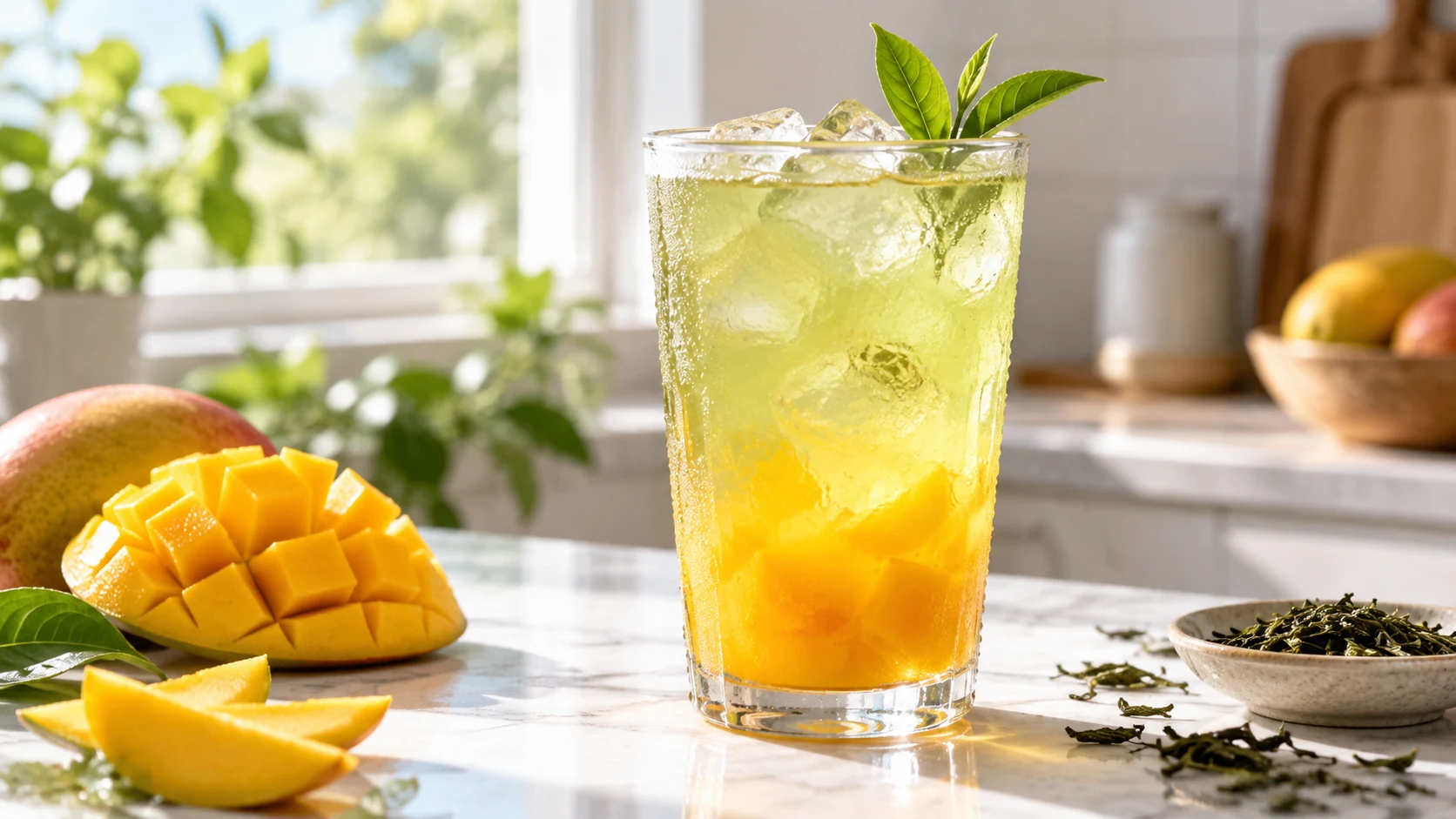
For mango or other fruit tea, first ask whether milk belongs in the formula. Test one spoonful of fruit with one spoonful of the chosen beverage. Separation may be a texture incompatibility, but ingredients with uncertain time or temperature history should still be discarded.
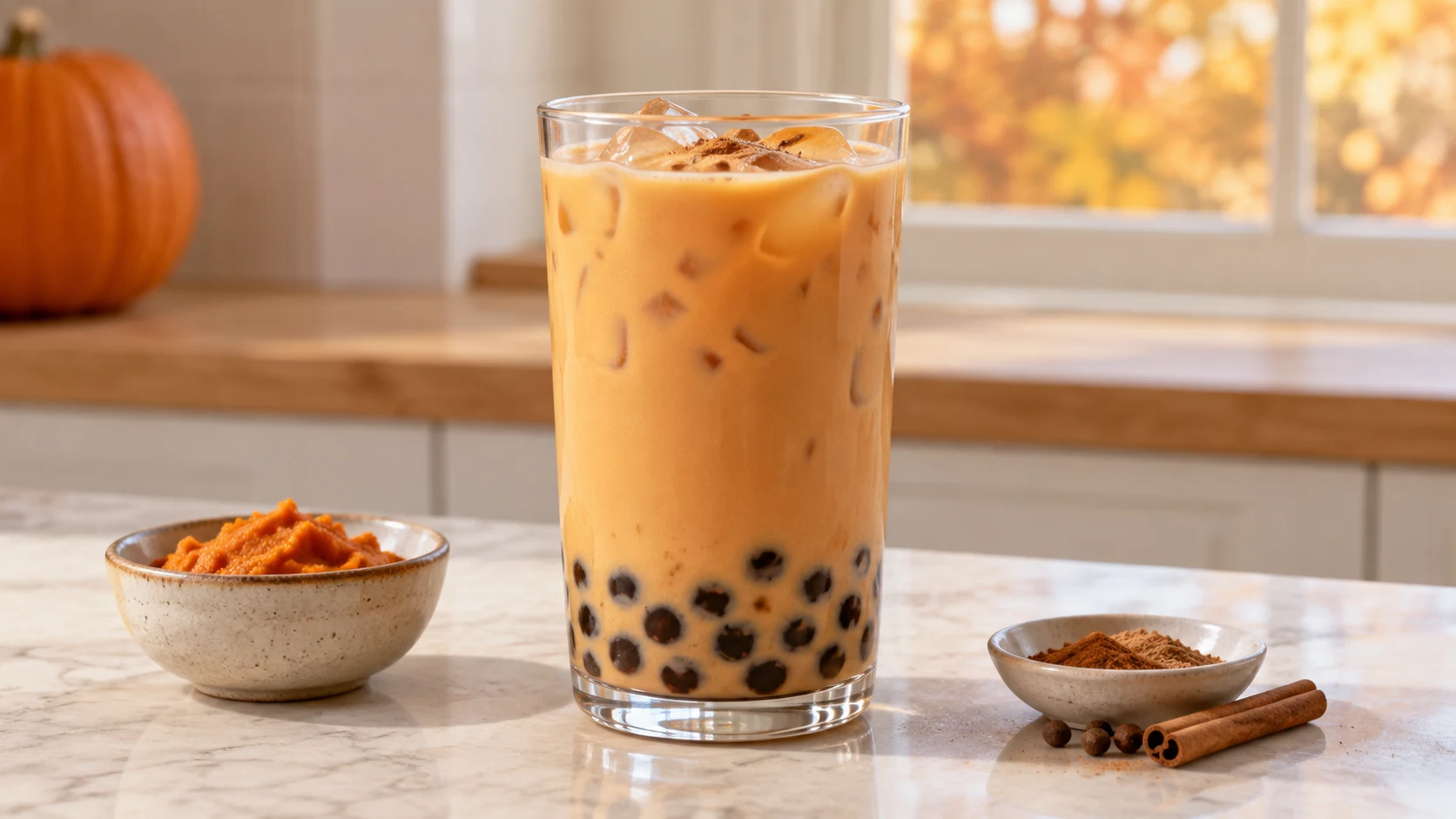
For pumpkin spice boba, begin with a thinner unsweetened beverage because pumpkin already supplies body. Add richness only after the base is smooth.
Read the whole label every time
Check serving size, total and added sugar, protein, fat, ingredient list, allergen statement, refrigeration instructions, and use-after-opening guidance. The FDA recognizes milk, soy, tree nuts, peanuts, eggs, wheat, fish, crustacean shellfish, and sesame as major allergens in the United States. “Plant-based” or “dairy-free” does not answer every allergen question.
Formulas can change, so a label remembered from a previous purchase is not enough. Also distinguish nutritional questions from recipe performance: a product may foam or blend well while not meeting a drinker's nutrient or allergen needs.
Choose one carton, make a measured half-size drink, and record the tea-to-milk ratio and total sugar. That small test provides more useful evidence for your kitchen than a universal ranking ever could.
Shake or stir the carton only as its label directs, then pour the test portion into a clear cup so separation and color remain observable.
Sources
- Plant-Based Milk and Animal Food Alternatives U.S. Food and Drug Administration
- Food Allergies U.S. Food and Drug Administration
- Oatly Original Oatmilk Oatly
- Silk Unsweet Soymilk Silk
- Almond Breeze Unsweetened Original Almondmilk Blue Diamond
- So Delicious Organic Unsweetened Coconutmilk So Delicious